


What Makes Horror Vinyl Pressings Valuable: A Collector's Guide
Table of Contents
- What Makes Horror Vinyl Pressings Valuable
- Limited Edition and Colored Vinyl Variants
- How to Identify Rare Vinyl Pressings
- Vinyl Record Condition Grading and Its Impact on Value
- Rare Horror Movie Soundtrack Records That Command High Prices
- Horror Vinyl Test Pressing Value and Authenticity
- Building Your Horror Vinyl Collection: A Valuation Framework
- Frequently Asked Questions
Last Updated: October 5, 2026
What Makes Horror Vinyl Pressings Valuable
Horror vinyl pressings valuable records command attention from collectors worldwide. At Vyle Vinyl, we've spent years curating rare horror soundtracks and watching which pressings appreciate. Value depends on a combination of factors: scarcity, condition, packaging quality, and the cultural significance of the film.
A horror vinyl pressing is a vinyl release of a horror film's soundtrack or score, typically produced in limited quantities with distinctive design and often featuring variants like colored vinyl or elaborate packaging. What separates a $20 reissue from a $200+ collector's item comes down to how many copies exist, how well they've been preserved, and whether the release includes sought-after extras like posters, art cards, or casebound packaging.
The most valuable horror vinyl pressings share three characteristics: small pressing quantities, striking cover art and premium construction, and cult films or composers whose work has gained collector demand. Limited-run horror soundtracks, especially giallo scores, tend to hold and increase in value because supply stays fixed while collector interest grows.
Limited Edition and Colored Vinyl Variants
The distinction between standard black vinyl and limited-edition colored variants affects collector demand and resale value. When a label releases a horror soundtrack on colored vinyl, clear with splatter, green with black swirls, or orange and red marbled, production is typically limited to a specific number of copies, creating intentional scarcity and immediate collector appeal.
Colored variants signal exclusivity. The Vyle Vinyl catalog includes pressings like Halloween III: Season of the Witch on green with black vinyl, where the variant becomes part of the release's identity.

Specialty labels like Death Waltz Recording Company and Waxwork Records deliberately create scarcity for collectors who value rarity and presentation. A Waxwork Records pressing of Carrie in orange and red marbled vinyl includes a 4-page booklet and fewer copies than a major label would produce, driving demand on release and maintaining value afterward.
The relationship between pressing quantity and value is direct: smaller runs equal higher collectibility. Horror vinyl pressings valuable in the market often come from labels embracing the limited-run model. When a release sells out and never gets reprinted, secondary market prices climb because new collectors can't access it officially.
How to Identify Rare Vinyl Pressings
Identifying which horror vinyl pressings valuable records are actually rare starts with reading the label. Every pressing includes the label name, catalog number, country of origin, and release year.
Discogs is the collector's reference database for vinyl identification. Search the album title and you'll find every known pressing with format, label, catalog number, release year, and estimated pressing quantity, revealing whether a pressing was limited to 500 copies or 5,000. A horror vinyl pressing valuable enough to track down will have detailed Discogs entries showing its rarity.
Pressing variants matter for identification. The same album might exist as original black vinyl, colored reissue, test pressing, or special edition. Spotting these differences, label design, catalog number, country of origin, separates casual collectors from serious ones.
The physical pressing tells a story. Examine the grooves under light, original pressings sometimes show different cutting characteristics than reissues. Check the jacket for printing details: original artwork versus reissue reproduction, tip-on versus standard sleeves, casebound versus standard cardboard. These details distinguish a first pressing from a later reissue and directly impact value.
Vinyl Record Condition Grading and Its Impact on Value
Vinyl record condition grading uses a standardized scale that directly correlates to resale value.
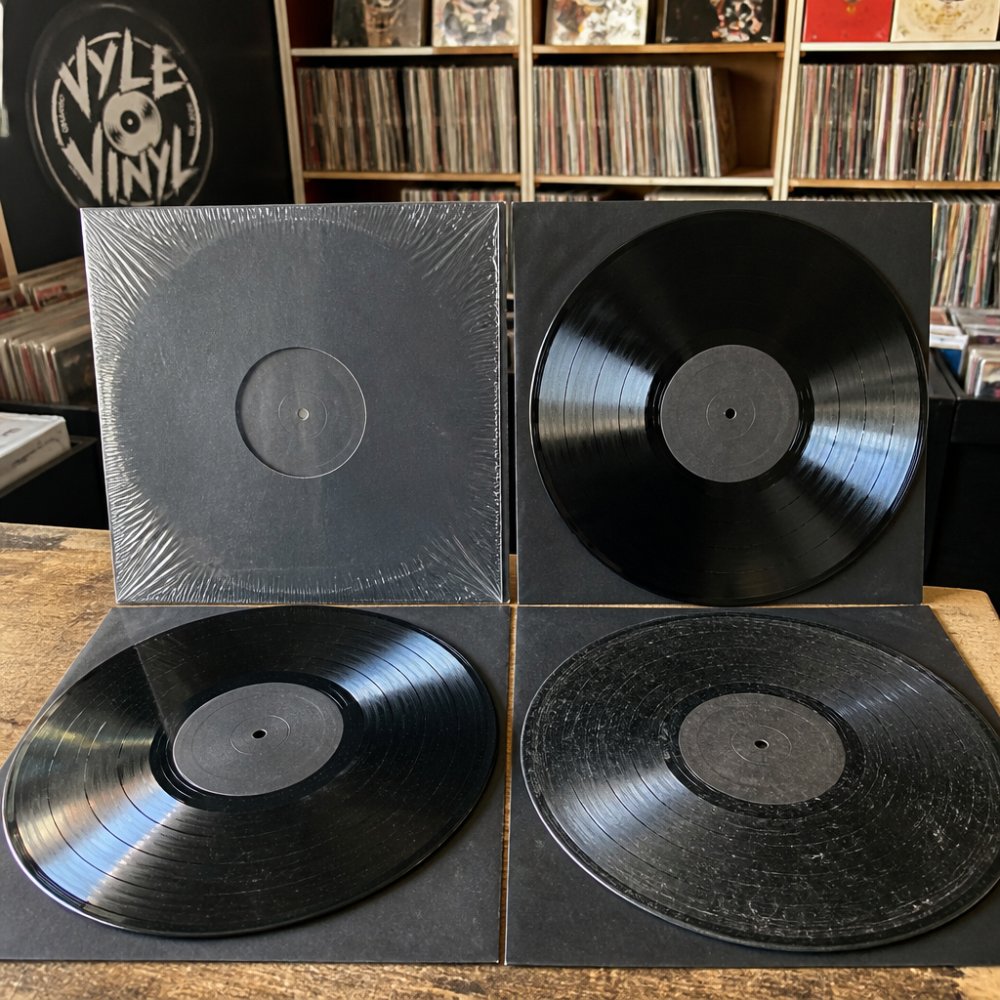
Mint means the record appears unplayed and unhandled, ideally still in original shrink wrap. Very Good Plus (VG+) shows minimal play, perhaps a light surface mark or two, but plays without pops or skips.
For horror vinyl pressings valuable in the collector market, condition grades become pricing anchors. A sealed copy of Exorcist III in 2024 Waxwork Records orange and red 'Demon Eyes' vinyl commands premium prices because sealed copies are rarer than played ones.
The impact is measurable: a horror vinyl pressing in Mint condition might sell for double or triple the same pressing in VG+. Accurate grading, noting wear, surface marks, and playback quality, builds collector trust.
Storage and handling determine whether a horror vinyl pressing maintains value. Records stored vertically in protective sleeves, kept in climate-controlled environments, and handled by the edges preserve condition far better than those stacked horizontally or exposed to temperature swings.
Rare Horror Movie Soundtrack Records That Command High Prices
Certain horror soundtracks have become legendary in collector circles, commanding prices reflecting rarity and cultural significance. The Omen, composed by Jerry Goldsmith, is a benchmark: original 1976 Varèse Sarabande pressings fetch premium prices, while the 2018 limited-edition clear with black and white splatter reissue remains collectible. The Vyle Vinyl catalog includes this reissue at $26.00.
Halloween III: Season of the Witch occupies a unique position in horror soundtrack collecting. John Carpenter and Alan Howarton's electronic score became cult-revered after initial critical dismissal.
Carrie and Rosemary's Baby represent another tier.

Exorcist III represents a newer model of horror vinyl appreciation. The 2024 Waxwork Records pressing in orange and red 'Demon Eyes' vinyl (Vyle Vinyl, $45.00) sold to subscribers first, limiting public availability. Subscriber-exclusive releases followed by general availability create artificial scarcity that drives secondary market prices upward.
Giallo film scores occupy a specialized niche with disproportionately high values. Italian composers like Goblin, Ennio Morricone, and Pino Donaggio created soundtracks that appreciated as giallo films gained critical reassessment. Original Italian and European pressings are scarce, and specialty-label reissues command premium prices because supply remains limited.
Horror Vinyl Test Pressing Value and Authenticity
Test pressings represent the rarest category of horror vinyl pressings valuable to serious collectors. A test pressing is a one-off or small-batch pressing created for quality control before commercial production.
The rarity of test pressings creates extreme collector demand. A test pressing of a horror soundtrack might be the only known copy in private hands. Because they were produced in tiny quantities and often discarded, finding one decades later is genuinely rare.
Test pressings are identifiable by their labels and packaging: plain white or generic labels with handwritten album title, pressing date, and sometimes notes about sound quality. Commercial pressings have professionally printed labels with full artwork.
Authenticity verification requires careful inspection. Genuine test pressings show handwritten notes on the label, plain packaging, and sometimes pressing artifacts corrected in the commercial version. Counterfeits exist, created by sellers chasing test-pressing prices for ordinary pressings.
Condition affects a test pressing's value less than authenticity and rarity. A VG test pressing of a rare horror soundtrack remains valuable because test pressings are so scarce that existence outweighs condition.
Building Your Horror Vinyl Collection: A Valuation Framework
A systematic approach to horror vinyl collecting helps you identify value, avoid overpaying, and build a collection that appreciates. The valuation framework works across three dimensions: rarity assessment, condition evaluation, and market pricing.
Rarity Assessment starts with Discogs research. Search the album, identify all known pressings, and note the pressing quantity for each. A horror vinyl pressing valuable enough to pursue typically exists in fewer than 1,000 copies.
Condition Evaluation requires honest assessment using the Goldmine Grading Guide.
Market Pricing uses completed sales data from Discogs and eBay. Search the exact pressing and filter for "sold" listings to see what collectors actually paid, real-market data beats asking prices because it reflects genuine demand.
| Evaluation Factor | Low Value | Medium Value | High Value |
|---|---|---|---|
| Pressing Quantity | 5,000+ copies | 1,000-5,000 copies | Under 1,000 copies |
| Condition Grade | VG or below | VG+ | Mint or sealed |
| Variant Status | Standard black vinyl | Colored vinyl variant | Rare variant, limited run |
| Packaging | Standard sleeve | Tip-on sleeve, booklet | Casebound, multiple inserts |
| Completeness | Missing inserts | Original inserts present | All extras, sealed condition |
| Film Significance | Mainstream horror | Cult classic | Rare giallo, cult composer |
Use this framework when evaluating purchases. A horror vinyl pressing valuable enough to pursue typically scores high on at least three factors. A sealed limited-variant pressing of a cult film represents maximum value; a standard black vinyl reissue in VG represents minimum.
Building value means focusing on pressings with genuine scarcity, strong condition, and cultural significance. Avoid chasing every reissue; identify which horror vinyl pressings valuable in the market align with your collecting focus.
Finding the right horror vinyl pressings valuable enough to keep requires patience, research, and access to curated inventory. At Vyle Vinyl, we specialize in rare horror, punk, and heavy metal vinyl, including sought-after soundtracks like The Omen, Halloween III: Season of the Witch, Carrie, and Rosemary's Baby.

Frequently Asked Questions
What makes a horror vinyl pressing valuable?
Horror vinyl pressings gain value through scarcity, limited production runs, striking cover art, and packaging quality. Colored variants, first pressings, and reissues from respected labels like Death Waltz and Waxwork Records command higher prices. Condition, rarity of the specific pressing, and collector demand also drive value. Cult film soundtracks with small pressing quantities become especially sought after over time as original copies deteriorate or get lost.
How can you tell if a horror soundtrack pressing is rare?
Check the pressing information on Discogs, which lists pressing quantity, release date, and label details. Smaller production runs (under 500 copies) indicate rarity. Look for early first pressings, especially from limited-run labels. Limited-edition variants like colored vinyl, marbled pressings, or numbered editions are rarer than standard black vinyl. If a reissue exists, original pressings become scarcer. Examine the label, catalog number, and matrix code to identify which pressing you own.
Does condition really affect horror vinyl record value?
Condition is critical. Mint or Near Mint copies command 50-200% premiums over played copies. A sealed, unplayed record is worth significantly more than one with surface noise or sleeve wear. Grading uses a standardized scale from Mint (M) down to Poor (P). Even small differences matter: Near Mint (NM) versus Very Good Plus (VG+) can mean hundreds of dollars on rare pressings. Always inspect both the vinyl and sleeve, as collectors value both equally for horror soundtracks with elaborate artwork.
Are test pressings worth more than standard pressings?
Yes, test pressings typically command premium prices because they're produced in tiny quantities, often fewer than 10 copies. They're used for quality control before mass production and rarely reach the market. Test pressings of sought-after horror soundtracks can be worth 2-5 times the value of standard pressings. However, authenticity is crucial, verify test pressing claims through detailed label information and provenance. Counterfeits exist, so buy from trusted sources with documented condition and pressing history.
Which horror movie soundtracks are most valuable to collectors?
Giallo and cult horror scores from composers like Goblin, Ennio Morricone, and John Carpenter are highly sought. Limited reissues from specialized labels like Death Waltz and Waxwork Records appreciate quickly. Original pressings of films like The Exorcist, Halloween III, Carrie, and Rosemary's Baby command high prices, especially in colored vinyl variants. Scores with elaborate packaging, poster inserts, and tip-on sleeves attract collectors. Rarity combined with cult film status and striking cover art creates sustained demand and value growth.
What's the difference between a first pressing and a reissue?
First pressings are original releases from the initial production run and typically command higher value due to scarcity and authenticity. Reissues are later pressings, often from new masters or on different labels. First pressings of horror soundtracks, especially limited runs under 1,000 copies, hold their value better. However, well-executed reissues from respected labels can also appreciate, especially colored variants. Check the label, catalog number, and matrix code to confirm pressing information. First pressings generally outpace reissues in long-term value.
How do I verify the authenticity of a rare horror vinyl pressing?
Cross-reference the catalog number, label, and matrix code against Discogs, which maintains detailed pressing histories. Examine the sleeve for printing quality, paper stock, and artwork accuracy, counterfeits often show poor print quality or color inconsistencies. Check the vinyl itself: authentic pressings show consistent color and pressing quality, while fakes may have uneven coloring or poor sound quality. Buy from reputable dealers with documented condition descriptions and return policies. Inspect photos closely before purchasing online, and ask sellers for matrix code details to confirm the specific pressing.