


Why Buy Limited Edition Vinyl Records: A Collector's Guide
Table of Contents
- What Defines a Limited Edition Vinyl Record
- Rarity, Scarcity, and Collectibility
- Colored Vinyl and Aesthetic Variants
- Investment Potential and Resale Value
- How to Clean Vintage Vinyl Records
- Vinyl Record Grading Standards and Authentication
- How to Store Vinyl Records Properly
- The Hunt, Packaging, and the Collector Experience
- Frequently Asked Questions
Last Updated: October 2, 2026
What Defines a Limited Edition Vinyl Record
A limited edition vinyl record is a pressing produced in a controlled, finite quantity, making it inherently scarcer than standard releases. The defining characteristic is the explicit cap on how many copies will ever be manufactured, whether that's 500 copies, 5,000 copies, or somewhere in between. Once that number is reached, the pressing ends. No restock. No second run. That scarcity is what separates limited editions from standard pressings that stay in print indefinitely.
What makes this distinction matter is the intentionality behind it. A limited edition isn't accidental scarcity, it's a deliberate creative and commercial decision. The limited pressing number is usually printed on the jacket, the sleeve, or the matrix number etched into the runout groove, making it verifiable.
Collectors are drawn to limited edition vinyl records because they represent a specific moment in time. A 2026 RSD release won't be reprinted in 2027 in the same format. That finality creates urgency and meaning.
Rarity, Scarcity, and Collectibility
Rarity and scarcity drive limited edition collecting but differ: scarcity is the pressing limitation ("limited to 500 copies"), while rarity emerges over time as copies are lost, damaged, or locked away. A record pressed in 1,000 copies might have only 200 in decent condition decades later, making it genuinely rare even if it wasn't originally scarce.
This distinction affects availability and value. A limited edition pressed last month is technically scarce but not yet rare. The best limited editions combine low original pressing numbers with high demand that keeps collectors holding onto their copies.
Collectibility is the actual desirability factor. A record can be rare but uncollectible if nobody wants it. A 500-copy pressing of an underground metal album by a cult favorite band becomes highly collectible; the same pressing number for an obscure release sits on shelves. The market decides which limited editions matter.
Colored Vinyl and Aesthetic Variants
Colored vinyl and aesthetic variants represent the visual dimension of limited edition collecting. Pressings come in splatter, marbled, translucent, and solid color variants, each creating a distinct visual experience.
The appeal is both sonic and visual. Collectors appreciate the craftsmanship and deliberate choice to press on colored stock. A marbled variant of a horror soundtrack feels more intentional than standard black pressing. Gatefold jackets and liner notes add collectibility, especially when they include artwork, credits, or bonus materials not found on digital versions.
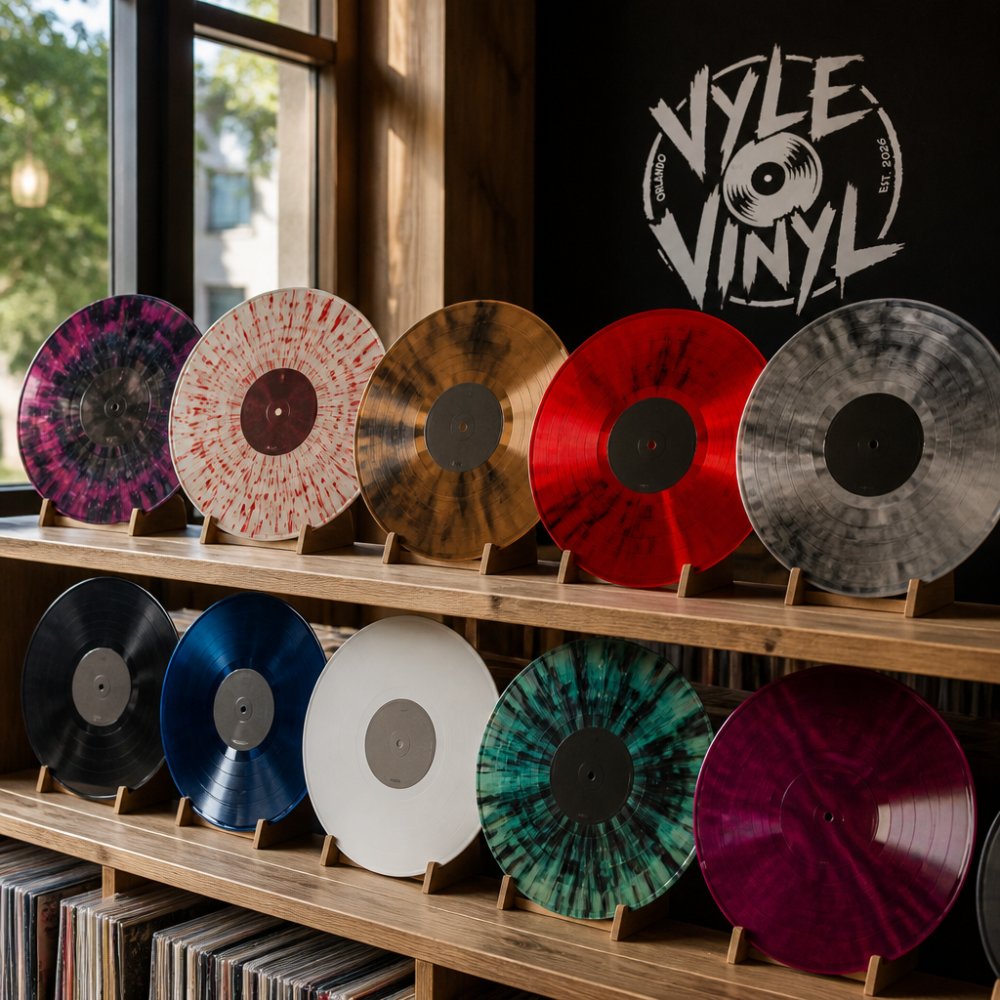
Colored vinyl carries environmental considerations. Standard black vinyl uses recycled PVC more readily than some colored variants. Bio vinyl formulations offer a compromise, aesthetic variants with reduced environmental impact. Serious collectors increasingly factor this into purchasing decisions.

Investment Potential and Resale Value
Many collectors consider investment potential, and data supports cautious optimism, but only for a narrow subset of limited editions.
The Vinyl Bubble and Market Saturation
The vinyl market has experienced explosive growth since 2015, with annual sales increasing from roughly 10 million units to over 40 million units by 2024.
Market saturation operates on a simple principle: scarcity drives value. When every major album release includes multiple colored vinyl variants, none are truly scarce.
Collectors who bought heavily into limited editions between 2018-2022 have seen many purchases stagnate or decline in value.
Resale Value and Condition Dependency
Resale value depends heavily on condition and provenance.
Platforms like Discogs provide transparent pricing data, showing exactly what a specific pressing sold for recently.
Which Limited Editions Actually Appreciate?
Appreciation is concentrated in a small number of categories:
- Genuinely scarce pressings from before 2015, when pressing quantities were small.
- Records from artists whose cultural significance grew after release.
- Variants with production errors or unique characteristics.
- Records with strong collector communities like horror soundtracks, punk, and heavy metal.
- Signed copies and artist-specific variants.
Records that do not appreciate include oversaturated variants, records from artists whose popularity faded, and limited editions from labels known for constant reissues.
The Sustainable Approach
The vinyl bubble is real, and markets can shift. An artist's reputation can decline. A variant that seemed rare five years ago might be reprinted.
How to Clean Vintage Vinyl Records
Cleaning is non-negotiable for preserving both sound quality and resale value. Dust and debris in the grooves degrade playback and wear down your stylus faster. For limited editions and valuable pressings, proper cleaning extends the life of the record and maintains its condition grade.
The basic process starts with a soft-bristled brush designed for vinyl. Brush gently in the direction of the grooves, not across them, to avoid pushing debris deeper into the vinyl. For light dust, this alone may be sufficient.
For sealed, mint limited editions, cleaning isn't necessary before the first play, just handle with clean hands and store properly. For vintage records or used purchases, a thorough cleaning before the first play prevents debris from being ground into the grooves. Let cleaned records dry completely on a clean surface or drying rack before storing or playing.
Vinyl Record Grading Standards and Authentication
Understanding grading standards is essential for buying and selling limited editions confidently. The Goldmine Grading Standard is the industry benchmark in the United States. It ranges from Mint (M) for unplayed, sealed records to Poor (P) for heavily damaged copies. Most collectors focus on the range from Mint to Very Good (VG), where records are still enjoyable and hold value.
Mint condition means the record is unplayed and unhandled, typically a sealed, new release. Near Mint (NM) means it's been played minimally or not at all, with no visible wear. Very Good Plus (VG+) shows some light wear but sounds clean. Very Good (VG) has noticeable wear but remains playable.
Authentication matters for high-value pressings. Verify the matrix number etched in the runout groove against the catalog number on the jacket. Check for the correct pressing details: is it really a first pressing? Does the variant match what's listed?
How to Store Vinyl Records Properly
Storage directly impacts longevity and condition. Vinyl should be stored upright, like books on a shelf, not stacked flat. Storing records horizontally applies weight pressure to the bottom records, potentially warping them over time. Upright storage distributes weight evenly and makes records easier to access without handling unnecessary copies.
Environment matters significantly. Keep records in a climate-controlled space with stable temperature and humidity. Extreme heat warps vinyl. High humidity causes mold and sleeve damage. Cold temperatures make vinyl brittle. The ideal environment is around 65-70 degrees Fahrenheit with 45-55% relative humidity (Care, Handling, and Storage of Audio Visual Materials - Collections Care). Basements and attics are problematic, temperature and humidity fluctuate too much.
Sleeves protect both the record and the jacket. Use inner sleeves made of paper or non-PVC plastic, not the original paper sleeves that can scratch vinyl. Outer jackets should be stored in protective plastic sleeves to prevent seam splitting and cover damage. For valuable limited editions, consider archival-quality storage boxes that protect from light, dust, and physical damage.
Keep records away from direct sunlight, which fades covers and can degrade vinyl over time. Dust is the enemy, a clean shelf with minimal dust exposure preserves condition far better than a collection gathering dust on an open shelf.
The Hunt, Packaging, and the Collector Experience
The hunt is what separates vinyl collecting from passive consumption. Finding a specific limited edition pressing, whether at a local record show, through online marketplaces, or at a brick-and-mortar shop, creates a narrative around ownership. You didn't just buy a record. You found it. You tracked it down.
Record shows and flea markets are where the hunt comes alive. Walking through rows of vendors, flipping through stacks, discovering unexpected gems, this is the tactile, social side of collecting that streaming can't replicate.
Packaging elevates the experience. A gatefold jacket with original artwork, liner notes, and bonus materials transforms a limited edition into an object worth owning beyond the audio. The Lost Boys Soundtrack on gold vinyl includes the original album art and collectible liner notes, it's not just the music, it's the complete package. That tangible experience is why physical media persists.

The collector experience also includes the knowledge and curation that comes with buying from specialists.
Collecting limited edition vinyl records combines the thrill of the hunt with genuine appreciation for physical media and artist intent.
At Vyle Vinyl, we specialize in curating limited edition pressings across horror, punk, and heavy metal, the genres where limited editions thrive.
Frequently Asked Questions
What makes a specific vinyl pressing 'limited'?
A limited edition vinyl record is defined by a restricted production run, typically indicated by a specific pressing number or catalog number. Manufacturers announce the total number of copies produced, whether 400, 500, or 6500, before pressing begins. Once that number is reached, no additional copies are made. This scarcity is what creates collectibility and often drives resale value. Limited pressings may also feature unique variants like colored vinyl, special gatefold packaging, or bonus tracks that distinguish them from standard releases.
Does playing limited edition vinyl decrease its value?
Yes, playing limited edition vinyl typically reduces its resale value, especially if the goal is investment appreciation. Collectors prioritize mint condition records with minimal surface wear and unplayed vinyl commands premium prices. However, if you're collecting for personal enjoyment rather than financial return, playing your records is part of the experience. The key is understanding your collecting philosophy: are you preserving an asset or building a working music collection? Many collectors maintain sealed copies for investment while playing other pressings.
Are limited edition vinyl records a good financial investment?
Limited edition vinyl can appreciate in value, but the market is volatile and unpredictable. Records with genuine scarcity, strong artist demand, and pristine condition tend to hold value better. However, not every limited pressing becomes valuable, market demand, cultural relevance, and condition all influence resale prices. Rather than treating vinyl as a primary investment vehicle, approach it as a collectible with potential upside. Focus on records you genuinely love; if they appreciate, that's a bonus. The vinyl market can fluctuate based on trends and availability of reissues.
How can I identify a rare or limited edition variant?
Check the matrix number (etched into the runout groove on the vinyl's inner edge) and the catalog number on the sleeve or label. These details reveal the specific pressing and variant. Research the record on collector databases to compare pressings, first pressings are often more valuable than reissues. Look for variant identifiers like 'RSD' (Record Store Day), color descriptions (splatter, marbled, bio vinyl), or pressing counts. Examine the gatefold, liner notes, and any OBI strips (Japanese-style paper sleeves) for clues. Sealed, unplayed records with original packaging command higher premiums than opened copies.