


Is Vinyl Collecting an Expensive Hobby? Real Costs Explained
Table of Contents
- The Real Cost of Starting a Vinyl Collection
- Why Are Vinyl Records Expensive
- How to Collect Vinyl on a Budget
- How to Tell if a Vinyl Record Is Valuable
- Ongoing Costs Beyond the Initial Purchase
- Vinyl vs. Streaming and Other Music Formats
- Is Vinyl Collecting Worth the Cost
- Frequently Asked Questions
Last Updated: October 18, 2026
The Real Cost of Starting a Vinyl Collection
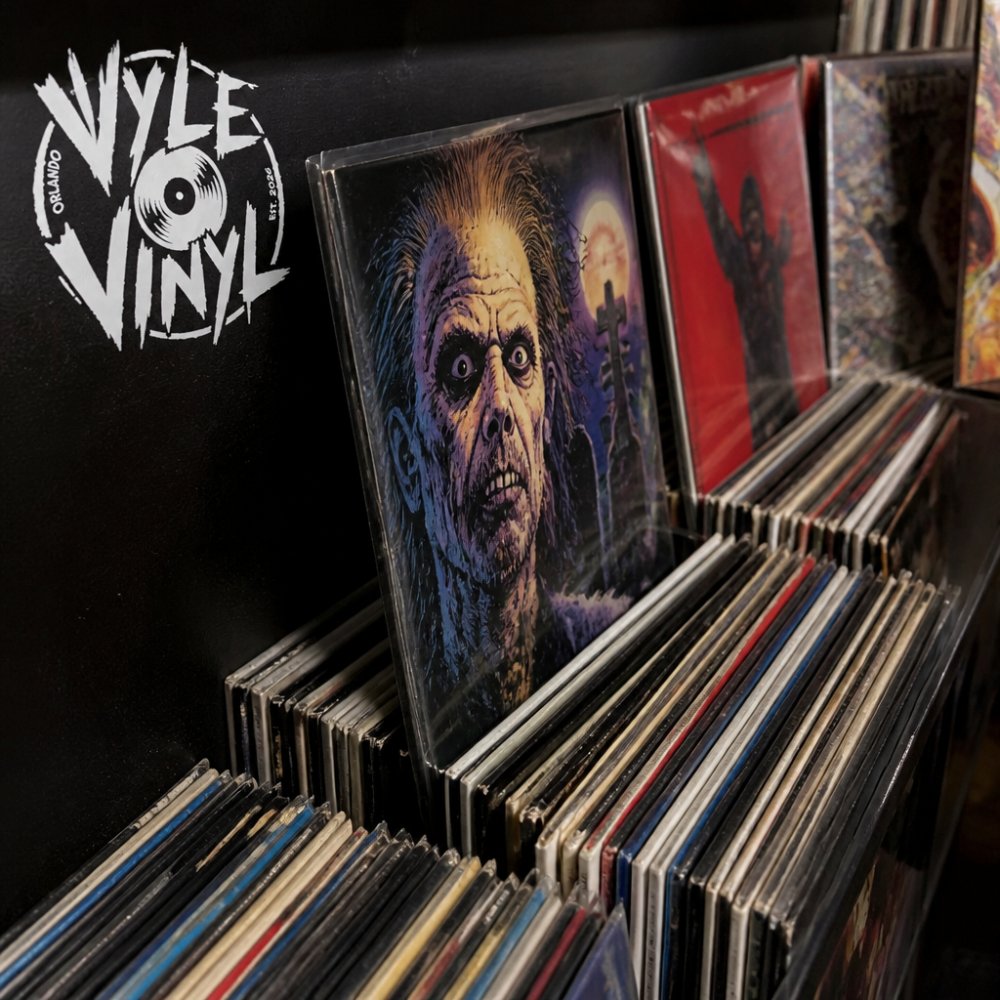
Vinyl collecting has surged over the past decade, and the question many newcomers ask is straightforward: is vinyl collecting an expensive hobby? It can be, but the cost depends entirely on your approach. The clearest answer comes from pricing a realistic starter setup at three budget levels, because "expensive" is meaningless without a number attached.
Starting a vinyl collection requires upfront investment in three categories: the records themselves, playback equipment, and storage and care supplies. Here is what a realistic first-year outlay looks like at three tiers, using typical U.S. retail prices for new gear and a mix of new and used records.
| Category | Low budget | Mid budget | High budget |
|---|---|---|---|
| Turntable with built-in preamp | $100-$150 | $200-$350 | $400-$600 |
| Powered speakers or amp + speakers | $80-$120 | $150-$300 | $350-$700 |
| First 10 records (mixed new/used) | $60-$100 | $120-$200 | $250-$400 |
| Cleaning supplies (brush, solution, cloths) | $20-$30 | $30-$60 | $60-$120 |
| Storage (crate or shelf for ~50 LPs) | $25-$40 | $40-$90 | $100-$200 |
| First-year total | $285-$440 | $540-$1,000 | $1,160-$2,020 |
A few things stand out. Equipment, not records, dominates the cost at every tier, and a beginner who already owns a receiver and speakers can cut $80-$700 off the totals.
The real insight is that vinyl collecting isn't inherently expensive; spending reflects priorities. Someone collecting mainstream reissues on a tight budget faces very different costs than someone chasing 1970s original pressings.
One upfront cost beginners underestimate: the first ten records are rarely the ten you actually want. Most new collectors buy impulse picks, discover their taste is narrower than expected, and re-buy within a year. Budgeting $60-$100 for a first batch of used records, rather than $25-$35 each for new pressings, keeps that learning curve cheap.
Why Are Vinyl Records Expensive
Vinyl records cost more than digital music for concrete reasons rooted in production, scarcity, and physicality. A new LP typically costs $20-$35, versus $10-15 monthly for unlimited streaming. That gap reflects real manufacturing expenses: pressing plants charge per unit, packaging requires cardstock and printing, and distribution adds logistics costs streaming doesn't face.
Older records command higher prices based on condition and rarity. A used copy of a common 1980s album might cost $5-10, while an original first pressing from the 1960s could reach $50, $100, or far more depending on condition and demand. Format matters significantly too, picture discs, colored vinyl, and limited editions typically cost 20-50% more than standard black vinyl pressings. New reissues of classic albums often retail for $25-30, while original pressings of the same album can cost multiples of that if they're scarce.

What many overlook is that vinyl prices reflect the tangible product: physical media with artwork, liner notes, and a listening experience that requires active engagement. That physicality carries production costs streaming eliminates entirely.
How to Collect Vinyl on a Budget
Collecting vinyl affordably requires strategic choices about where you shop, what you buy, and how you prioritize. Several approaches work well for budget-conscious collectors:
Start with common reissues. Modern reissues of classic albums from major labels cost $20-30 and sound excellent. These pressings are widely available, competitively priced, and represent excellent entry points into collecting. Vyle Vinyl stocks curated selections including titles like The Beatles' Sgt. Pepper's Lonely Hearts Club Band at $25.00.

Hunt used records at local shops and markets. Used vinyl often costs 50-70% less than new copies of the same album. Condition varies, but many used records play perfectly and offer genuine value. Local record shops, flea markets, and estate sales frequently stock affordable finds.
Focus on specific genres or eras. Rather than collecting everything, narrow your focus to genres or decades you genuinely love. This limits spending while deepening your knowledge within your chosen area.
Buy strategically from online retailers. Comparing prices across sellers reveals significant variation for identical pressings. Patience and comparison shopping can save 15-25% on new records.
Consider bundle purchases. Some retailers discount multiple records bought at once, making larger purchases more economical per unit.
The most effective budget strategy combines these approaches. Many collectors spend $30-50 monthly and build substantial collections over years rather than months, making vinyl collecting sustainable even on modest budgets.
How to Tell if a Vinyl Record Is Valuable
Record value depends on several factors that collectors assess before buying or trading. Understanding these criteria helps you make informed purchasing decisions and avoid overpaying for common pressings.
Pressing information significantly affects value. Original pressings typically command premiums over later reissues: a 1967 original of a classic rock album might cost $40-80, while a 1980s reissue of the same album costs $15-25.
Condition matters enormously. Vinyl grading uses a standard scale from Mint (unplayed) to Poor (heavily damaged). Records in Excellent or Near Mint condition cost significantly more than those in Good or Very Good condition. Surface noise, scratches, and warping all impact both sound quality and resale value.
Rarity and demand drive value. Limited edition pressings, colored vinyl variants, and albums with small original pressings command higher prices. Horror soundtracks, punk records, and heavy metal releases often attract dedicated collectors willing to pay premiums for scarce titles.
Completeness affects value. Records with original inserts, posters, or gatefold sleeves in good condition cost more than those missing them.
Market demand fluctuates with collector interest and cultural moments. Reissues of cult films or rediscovered artists sometimes rise as demand grows, while oversupplied pressings may fall over time.
Checking reference sites and recent sales establishes realistic pricing. Don't assume rarity means high value; demand must exist to justify premium prices.
Ongoing Costs Beyond the Initial Purchase
Vinyl collecting involves recurring expenses beyond initial equipment and records. These ongoing costs often surprise new collectors who underestimate maintenance and storage, and they separate a hobby that costs a few hundred dollars once from one that costs a few hundred every year.
Beatles, The - Sgt. Pepper's Lonely Hearts Club Band (LP) →
Mandatory upkeep. These costs keep your existing records and gear playable. A carbon-fiber record brush runs $15-$25 and lasts years. Cleaning solution and microfiber cloths run $15-$30 per year with regular use.
Collection growth. This is the line item that actually determines whether vinyl feels expensive. A collector buying two new LPs a month at $25-$30 each spends $600-$720 per year. The same collector buying used records at $5-$12 each spends $120-$290 per year.
Optional upgrades. Speakers and storage furniture get upgraded as budgets and knowledge grow. These are not mandatory, but they are the most common pattern among collectors who stay in the hobby for years.
| Ongoing cost | Typical annual range | Notes |
|---|---|---|
| Cleaning supplies and sleeves | $30-$60 | Declines per record as collection grows |
| Replacement stylus (amortized) | $40-$100 | Depends on play volume and cartridge |
| New records (2/month, new) | $600-$720 | Highest single driver of cost |
| New records (2/month, used) | $120-$290 | Same volume, far lower spend |
| Storage expansion | $40-$100 | Only as collection outgrows current shelving |
| Realistic annual total | $230-$1,180 | Wide range reflects buying habits |
Insurance becomes relevant for valuable collections. Standard homeowner's or renter's insurance typically covers personal property including records up to policy limits, but collectors with high-value collections sometimes add a rider or schedule specific items. Check your policy's personal property limit before assuming you are covered.
Travel and shopping costs add up for collectors attending record shows, visiting shops, or traveling to estate sales. Gas, admission fees, and meals are real expenses many underestimate, and a single record-show weekend can exceed a month's normal record budget.
Annual ongoing costs typically range from $230 to $1,180 for active collectors. Budget-conscious collectors hold the low end by buying used, cleaning records themselves, and setting a monthly spending cap before entering a shop.
Vinyl vs. Streaming and Other Music Formats
Comparing vinyl to streaming and other formats reveals genuine trade-offs between cost, convenience, and experience. Each format serves different collector priorities.
Streaming services cost $10-15 monthly for unlimited access to millions of songs, roughly $120-180 annually. You own nothing, but the per-song cost approaches zero. Streaming excels for discovery, convenience, and variety; the trade-off is passive listening and no physical ownership.
CDs offer middle ground between vinyl and streaming. Used CDs cost $2-8, new CDs cost $10-15. CD players require less equipment investment than vinyl setups, and CDs take minimal storage space. However, CD collecting has declined significantly, making selection limited compared to vinyl or streaming.
Digital purchases through platforms like iTunes or Bandcamp cost $0.99-1.99 per song or $9.99-12.99 per album. You own the files permanently but lack physical media, suiting collectors who want ownership without the space requirements.
Vinyl collecting costs significantly more per album but delivers tangible ownership, superior sound quality for many listeners, and a tactile, intentional listening experience. The trade-off is higher cost, storage requirements, and slower music discovery.
The choice depends on your priorities. Casual listeners find streaming most economical. Collectors valuing ownership and sound quality prefer vinyl despite higher costs. Many music fans use multiple formats simultaneously, streaming for discovery, vinyl for favorites, and digital purchases for specific releases.
Is Vinyl Collecting Worth the Cost
Whether vinyl collecting justifies its expense depends on what you value in music consumption and how you define "worth." For some collectors, the answer is unambiguously yes. For others, streaming or digital formats make more sense financially.
Vinyl collecting delivers genuine value if you prioritize:
- Active listening experiences where you engage intentionally with music rather than background consumption
- Physical ownership and the permanence it represents
- Sound quality and the sonic characteristics vinyl delivers
- Artistic appreciation of album artwork and packaging as part of the creative expression
- Community connection with other collectors and the culture surrounding vinyl
The hobby becomes less economical if your primary goals are music access at minimum cost or maximum convenience. Streaming objectively delivers better economics for those priorities.
Many collectors find vinyl's value extends beyond music itself. The research required to build a meaningful collection, the hunt for rare pressings, and the relationships formed in record shops and at shows create value beyond listening.
A realistic assessment suggests vinyl collecting is moderately expensive as hobbies go, comparable to photography, gaming, or other engaged pursuits. It's not prohibitively expensive if you approach it thoughtfully. Many collectors spend $40-80 monthly and build rich, personally meaningful collections over years. That spending level remains sustainable for most people while delivering genuine satisfaction.
The genuine expense comes from treating vinyl collecting as an investment vehicle or status symbol rather than a personal practice. Chasing the most expensive pressings, constantly upgrading equipment, and buying records you won't listen to drives costs unnecessarily high.
Vinyl collecting genuinely requires more financial commitment than streaming, but the expense becomes manageable with intentional choices about what you buy and how you approach the hobby.
Frequently Asked Questions
How much does it cost to start collecting vinyl records?
Starting a vinyl collection typically requires $200-$600 for essentials: a record player ($100-$300), speakers ($50-$150), and your first 5-10 records ($50-$150). This assumes used or entry-level equipment. Serious collectors often spend more on higher-quality audio systems. The cost of starting a vinyl collection depends on your audio standards and how many records you want immediately.
What makes some vinyl records more expensive than others?
Price varies by pressing year, condition, rarity, and demand. Original pressings from the 1960s-70s cost significantly more than reissues. Limited editions, out-of-print releases, and records in mint condition command premium prices. Genre matters too: horror soundtracks, punk, and heavy metal pressings often cost more when they're rare or cult favorites. Condition grading directly affects value, records in excellent shape cost 2-3 times more than those with visible wear.
Can I collect vinyl records without spending a lot of money?
Yes. Buy used records from local record shops, flea markets, and online marketplaces, used vinyl typically costs $3-$15 per record versus $15-$30 for new pressings. Focus on common pressings rather than rare editions. Many affordable classics are widely available; Pink Floyd's The Dark Side of the Moon, for example, costs $45 in excellent condition.
Is vinyl collecting worth the money compared to streaming?
Vinyl appeals to collectors for the physical ownership, artwork, and listening ritual, not just the music. Streaming costs $10-$15 monthly (roughly $120-$180 yearly), while vinyl has higher upfront costs but no recurring subscription fees. If you collect 50 records over five years, your average cost per album is lower than streaming subscriptions, but you're paying for the tangible experience and long-term ownership, not just access to music.