


Introducing Kids to Vinyl Collecting: A Parent's Guide
Table of Contents
- Why Start Kids on Vinyl Records
- Age-by-Age Guide to Starting Vinyl
- Best First Vinyl Records for Kids
- How to Handle Vinyl Records: A Step-by-Step Lesson
- How to Store Vinyl Records Safely
- Family Vinyl Listening Ideas
- Building a Starter Collection on a Budget
- Common Mistakes to Avoid When Starting Out
- Frequently Asked Questions
Last Updated: October 11, 2026
Why Start Kids on Vinyl Records
Introducing kids to vinyl collecting opens a door to music discovery that streaming simply can't match. When you hand a child a record, they're holding history. They see the artwork, read the credits, and connect with music in a tangible way that builds genuine appreciation.
Vinyl rewards patience and intention. Kids listen to full albums, discover deep cuts, and develop real taste instead of shuffling mindlessly through thousands of songs.
When families explore vinyl together, something clicks. Kids become curious about the bands, eras, and sounds. That conversation is where real connection happens.
Starting young also builds respect for physical media and craftsmanship. Kids learn that music has weight, value, and care requirements. They understand why a record sleeve matters. Why handling matters. These lessons extend far beyond vinyl.
Age-by-Age Guide to Starting Vinyl
Ages 3-5: Listening Together
Make vinyl part of your family routine. Play records during breakfast, quiet time, or before bed.
Choose music that engages them without overstimulating. Soundtracks work beautifully here. Albums like The Little Mermaid Original Motion Picture Soundtrack or Songs from Frozen combine familiar stories with quality music. Kids this age respond to melody, repetition, and emotional clarity.

Keep sessions to 15-20 minutes. Point out instruments and ask what the music makes them feel like doing. This builds listening skills and positive associations with vinyl.
Let them watch you play the record and handle the sleeve. Seeing the ritual matters even if they can't handle records yet.
Ages 6-8: Learning to Handle Records
Now your child can learn proper record handling. Start with one durable, replaceable record for practice.
Teach the grip: wash hands, hold by edges and center label only, never touch the playing surface. Make it a game and have them demonstrate before touching a record.
Let them choose which record to play from two or three options. This builds ownership and investment.
Introduce albums as complete works. Explain that records tell a story from beginning to end. Play full albums without skipping to build deeper listening habits.
Ages 9-12: Building Their Own Collection
Kids develop real taste at this age. Give them a budget and let them pick records for their collection.
Start with classic albums like The Beatles' Sgt. Pepper's Lonely Hearts Club Band or Creedence Clearwater Revival's Chronicle. These have depth kids appreciate now and return to as they grow.
Teach proper storage (upright, not flat) and why temperature and humidity matter. Help them catalog their collection. This builds organizational skills and pride in ownership.
Encourage active listening. Ask what instruments they hear, what's their favorite track, and why. This develops taste and confidence.
Teens: Exploring Deeper into Collecting
Teenagers understand rarity, condition grades, and collecting strategy. They can handle records with genuine care.
They explore specific genres and develop identity through music. Support their curiosity, even if their taste surprises you.
Introduce them to record shows and the collecting community. These events expose teens to vinyl culture, other collectors, and records they didn't know existed.
Teach condition, pricing, and value. Show how to research records and understand why pressings vary in cost. These skills build smart collecting habits.
Best First Vinyl Records for Kids
Start with albums that engage kids immediately and hold up to repeated listening: strong storytelling, memorable melodies, and good vinyl sound quality.
Soundtracks and children's albums work exceptionally well because the music serves a narrative. Kids already know the stories. The music deepens their connection. The Little Mermaid Original Motion Picture Soundtrack is perfect for younger kids.
Songs from Frozen serves the same purpose for a slightly older audience. These albums teach kids that records can be gateways to stories they love.

The Beatles' Sgt. Pepper's Lonely Hearts Club Band is essential for older kids. It's accessible but sophisticated, with exceptional production quality and album art that sparks conversations about design.
Creedence Clearwater Revival's Chronicle works for kids discovering classic rock. Every song is strong, and the storytelling speaks to older kids developing social awareness.
How to Handle Vinyl Records: A Step-by-Step Lesson
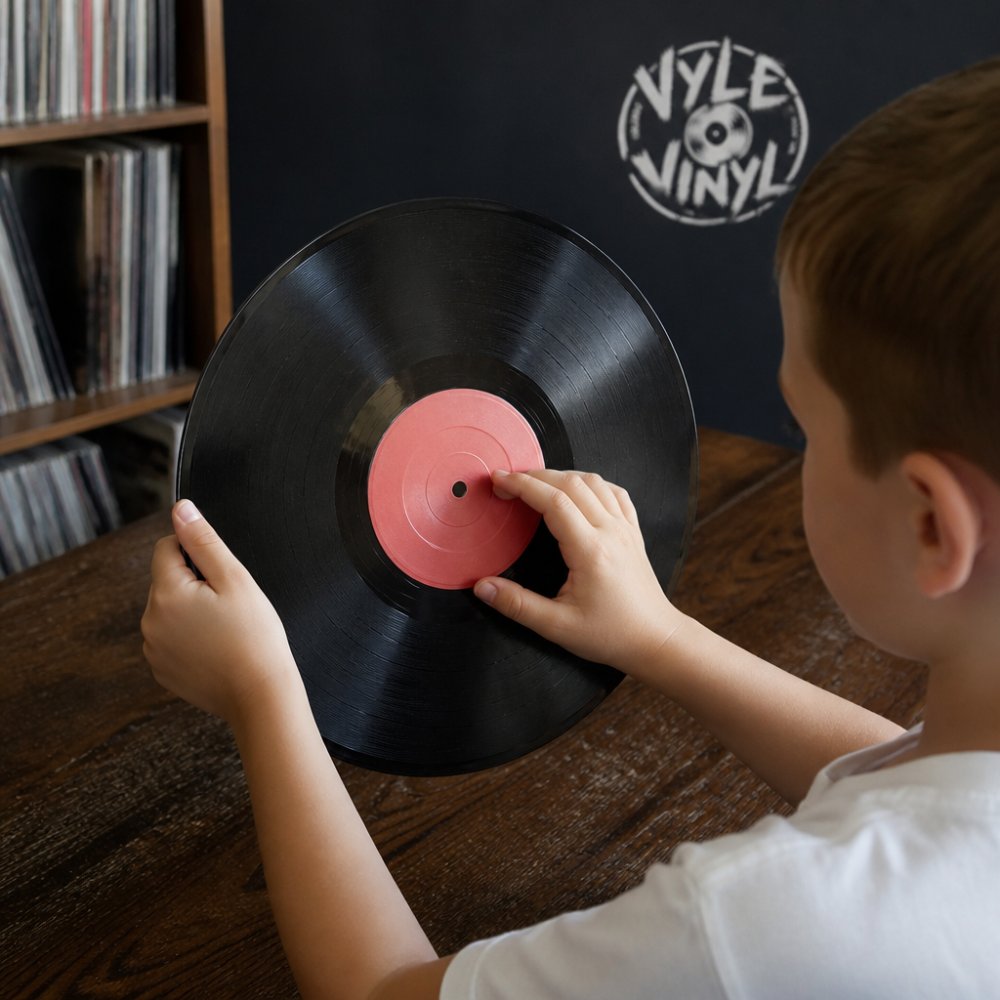
Teaching proper record handling prevents damage and builds respect for the medium. Walk through this lesson with your child step by step. Make it a ritual they repeat every time.
Step 1: Wash and Dry Hands
Clean hands are the first defense against damage. Have your child wash with warm water and mild soap. Dry completely with a lint-free cloth. Moisture and dust are the enemies of vinyl.
This step matters more than kids initially understand. Fingerprints leave oils that attract dust. Dust particles become abrasive. Over time, they cause surface noise and wear. Starting with clean hands prevents this cascade.
Make hand-washing part of the record-playing ritual. It signals that something important is about to happen. It builds anticipation.
Step 2: Remove the Record Carefully
Teach your child to slide the record out of the sleeve at an angle. Never yank it straight out. The sleeve's inner edge can catch the record and cause scratches.
Show them how to support the record with both hands as it emerges. The goal is smooth, controlled movement. No rushing. No sudden motions.
This step teaches patience. It teaches that care takes time. These lessons transfer to other areas of their life.
Step 3: Hold by the Edges and Center Label
The playing surface is sacred. Explain that the grooves are where the music lives. Touching them damages the sound.
Show your child the safe zones: the outer edge and the center label. These areas can tolerate contact. The playing surface cannot.
Have them practice the grip without a record first. Hold their hands in position. Adjust their fingers. Make sure they understand the boundary between safe and unsafe zones.
When they're ready, let them hold an actual record using this grip. Praise their technique. Correct gently if needed. This builds confidence and competence.
Step 4: Place on the Turntable
Guide them as they position the record on the turntable. Show them how to center it using the spindle. Explain that the record needs to sit flat and level.
Various - The Little Mermaid (Original Motion Picture Soundtrack) (LP) →
Let them lower the tonearm themselves once they understand the motion. Slow and gentle. The needle is delicate. It needs to make contact with the groove smoothly, not drop suddenly.
Walk through the entire process multiple times. Repetition builds muscle memory. Soon they'll handle records automatically, with care built into their movements.
How to Store Vinyl Records Safely
Proper storage protects your investment and teaches kids responsibility. Explain why storage matters before establishing the system.
Store records upright, never stacked flat. Stacking creates pressure that warps records over time. Upright storage keeps them flat and prevents warping.
Keep records away from direct sunlight, heat sources, and humidity extremes. Sunlight fades sleeves and can warp vinyl. Heat warps records permanently.
Use shelving that supports the weight. Vinyl is heavier than books. Flimsy shelving sags and bends records.
Consider acid-free inner sleeves and storage boxes for records your child truly values. These protect against deterioration. Kids learn that preservation requires investment.
Let your child organize their collection. Whether they arrange by artist, genre, or color doesn't matter.
Label shelves. Create a simple inventory list. Some kids love spreadsheets. Others prefer handwritten lists. The format matters less than the engagement.
Family Vinyl Listening Ideas
Make vinyl listening a shared family activity. This builds memories and deepens everyone's appreciation for music.
Themed listening nights work well. Pick a genre, era, or artist. Commit to listening to a full album together without phones or distractions.
Listening challenges engage older kids. Pick an album neither of you has heard. Listen together. Each person identifies their favorite track before discussing. Compare choices. Explain your reasoning.
Record store visits combine shopping with education. Visit independently owned shops like Vyle Vinyl where staff can recommend records and share knowledge.
Teach the backstory of records your family loves. Who made this album? When? Why? What was happening in the world? What instruments do you hear?
Create a family playlist on vinyl. Each person picks one record they love. Play them in sequence. This celebrates individual taste while creating shared experience.
Building a Starter Collection on a Budget
Start small and intentional. Five carefully chosen records beat twenty random ones.
Set a realistic budget. Used records cost less than new ones. Quality varies, but good used vinyl is available at reasonable prices.
Buy strategically. Look for albums that offer multiple listening experiences. Soundtracks work. Classic rock albums work. Compilations work.
Shop secondhand first. Used records from estate sales, thrift stores, and independent shops offer better value than new releases.
Ask for recommendations. Staff at independent record shops know their inventory. They can suggest albums that fit your budget and your family's taste.
Buy one at a time. Resist the urge to stock up immediately. Buy one record. Live with it for a month. Play it repeatedly.
Prioritize quality over quantity. One excellent record you play fifty times beats five mediocre ones you play once.
Common Mistakes to Avoid When Starting Out
Stacking records flat. This is the most common mistake. Flat stacking warps vinyl permanently.
Touching the playing surface. Fingerprints leave oils that attract dust. Dust causes surface noise.
Playing records on cheap equipment. A worn or poorly maintained stylus damages records with every play.
Buying records you won't play. Collecting becomes about owning rather than listening.
Ignoring humidity and temperature. Vinyl warps in heat. Mold grows in humidity. Store in a climate-controlled space.
Forcing interest. Not every kid loves vinyl. Some will. Some won't. Introduce the option. Support genuine interest.
Neglecting the sleeves. Record sleeves tell stories. They contain credits, lyrics, and artwork.
Introducing kids to vinyl collecting builds more than a music collection. It builds patience, care, and intentionality.
Start small. Choose records everyone will actually play. Make handling a ritual. Listen together. Support genuine curiosity.
Frequently Asked Questions
What age is appropriate for a child to start introducing kids to vinyl collecting?
Children as young as 3-5 can begin listening to vinyl with parental supervision, focusing on shared listening experiences. By ages 6-8, kids can start learning basic handling skills under guidance. Ages 9-12 are ideal for building their own small collection and understanding record care. Teens can explore deeper into collecting and develop genuine enthusiasm for curation and sound quality. Start with supervised listening and gradually increase independence based on maturity and interest.
What are the best first vinyl records for kids to start with?
Begin with albums featuring engaging storytelling and memorable melodies. Disney soundtracks like The Little Mermaid and Frozen work well for younger children due to familiar songs and colorful artwork. For slightly older kids, classic rock records like The Beatles' Sgt. Pepper's Lonely Hearts Club Band introduce quality sound and iconic music history. Creedence Clearwater Revival's Chronicle offers upbeat, accessible tracks. Choose records with sturdy sleeves and avoid rare or expensive pressings for first collections so kids feel comfortable handling them without anxiety.
How should I teach kids to handle vinyl records properly?
Start with clean hands and short fingernails. Remove records by holding the sleeve firmly and sliding the record out gently. Always grip records by the outer edge and center label, never touching the playing surface. Place records flat on the turntable and lower the needle gently. After playing, return the record to its sleeve immediately. Practice these steps together multiple times before allowing independent handling. Make it a ritual that becomes second nature. Supervise initially, then gradually allow more independence as they demonstrate consistent care.
How can families make listening to vinyl a shared activity?
Set aside dedicated listening time each week where the family gathers to play records together. Let kids choose albums and read the record sleeve artwork and lyrics while listening. Discuss favorite songs and what instruments they hear. Create a listening journal where kids draw or write about what they experienced. Combine vinyl listening with related activities like cooking to the music, creating playlists for different moods, or hosting listening parties with friends. This transforms vinyl from a passive experience into meaningful family bonding and music discovery.
When you're ready to build your starter collection, Vyle Vinyl has curated records perfect for family listening. We specialize in quality vinyl across all genres, and our team can recommend albums that work for your family's interests. Visit us to explore records that will become part of your family's story.